Products Repair & Service XRD Care Club Warranty Tech Library About Blog Contact Shop Now →
Veterinary Dentistry

Veterinary dental X-ray that moves to the patient

Dental radiographs on animals are taken under sedation or anesthesia — so the equipment should come to the patient, not the other way around. XRD supplies the portable X-ray, intraoral sensors, and imaging software that veterinary dental teams across the United States rely on.

Why Portable

Built for how veterinary dentistry actually works

Portable handheld units are widely used for companion-animal dental radiography because the operator can position the beam easily around an anesthetized patient — and battery power makes them practical anywhere.

Anesthesia time matters
The beam goes to the patient. There is no repositioning an anesthetized animal around a fixed arm — the operator aims the handheld unit and shoots, keeping procedures moving.
Mobile clinic ready
Battery-powered and self-contained — 150+ exposures per charge means a full day of imaging for mobile veterinary practices and off-site dental days.
One kit, complete workflow
Pair the X-ray with an intraoral sensor and imaging software with a dedicated Veterinary edition — acquire, review, and store studies in one place.
The X-Ray

XRD 70 — the portable X-ray vet teams carry
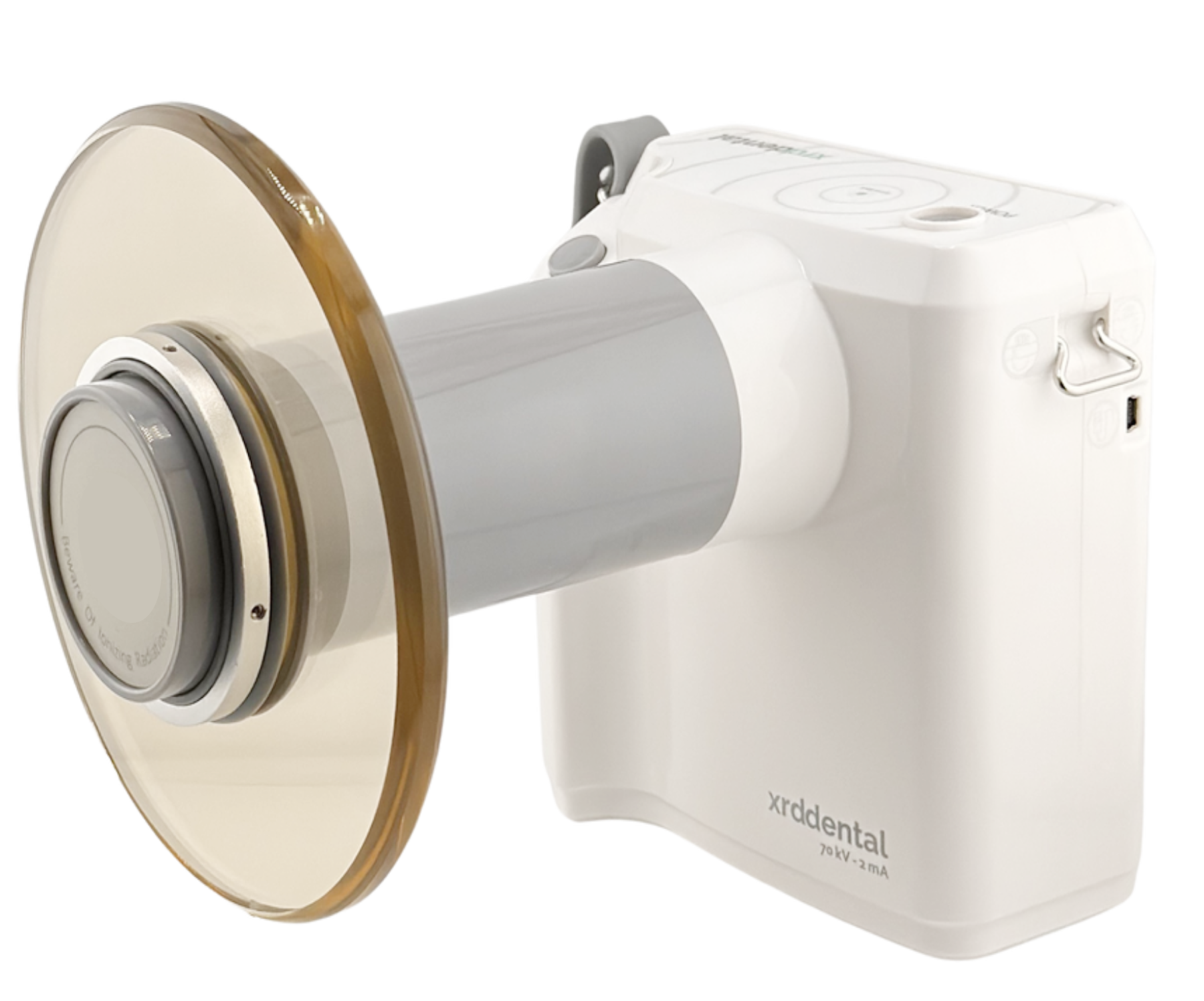
XRD 70 portable handheld X-ray used in veterinary dentistry
XRD 70 Portable X-Ray

A 70 kV handheld X-ray with a Canon D-045 Japanese tube and 0.4 mm focal spot, held and aimed like a camera. At 2.3 kg (5.1 lbs) it is light enough to position precisely around an anesthetized patient, and the battery delivers 150+ exposures per charge. It works with standard digital sensors, phosphor plates, and film — no proprietary receptor required.

70 kV 0.4 mm focal spot 2.3 kg 150+ exposures/charge
FDA 510(k)-cleared dental X-ray equipment, used in both human dental and veterinary settings
The Sensor

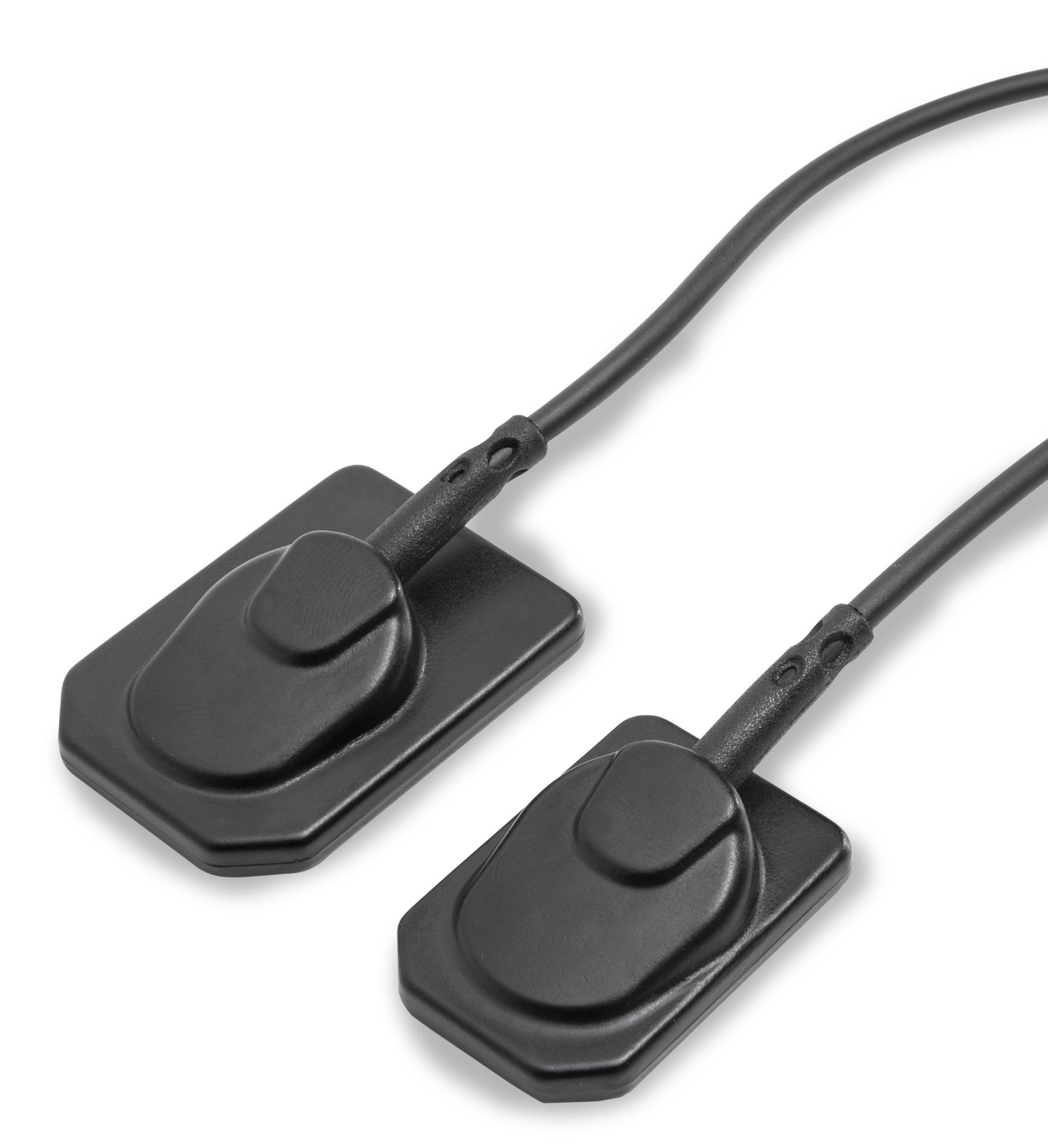
XRD Imagen sensors for veterinary imaging

XRD Imagen Intraoral Sensor

High-resolution intraoral sensors with direct USB connection — no interface box — and a TWAIN driver that works with most imaging software. IP68 dust and water resistance helps with cleaning and disinfection between patients, and the recommended 60–70 kV exposure range is a perfect match for the XRD 70's output.

Size 1 20×30 mm Size 2 26×36 mm USB direct IP68 TWAIN
Veterinary teams: dental radiographs on animals are normally taken under sedation or anesthesia. Keep the sensor parallel to the tooth root, and never leave it in the mouth unattended — a single bite can permanently damage the chip inside.
XRD Imagen intraoral sensor for veterinary dental radiography
Software with a dedicated Veterinary edition

ArchiMED Suite 5 acquires, displays, stores and manages dental X-ray images — and its Veterinary edition adds breed selection for canine and feline patients, with the same imaging engine adapted to veterinary dental workflows.

Resources

Guides for veterinary teams

Common Questions

Veterinary dental X-ray FAQ

Can a handheld dental X-ray be used on dogs and cats?
Yes. Portable handheld units are widely used for companion-animal dental radiography because the operator can position the beam easily around an anesthetized patient. The XRD 70 is used in both human dental and veterinary settings for intraoral imaging.
Is the XRD 70 FDA cleared for veterinary use?
The XRD 70 carries FDA 510(k) clearance K231449 as a dental X-ray system — FDA clearance applies to dental use. The same FDA-cleared equipment is widely used by veterinary dental teams across the United States for companion-animal dental radiography.
Why do veterinary teams prefer portable dental X-ray equipment?
Veterinary dental radiographs are normally taken under sedation or anesthesia, and a handheld unit lets the operator bring the beam to the patient instead of moving an anesthetized animal to a fixed unit. Battery power also makes portable units practical for mobile veterinary clinics.
Which intraoral sensor works for veterinary dentistry?
The XRD Imagen intraoral sensor is available in Size 1 (20×30 mm active area) and Size 2 (26×36 mm active area). Both connect by direct USB with a TWAIN driver, and ArchiMED offers a dedicated Veterinary edition with breed selection for canine and feline patients. Ask our team which size fits your caseload.
Can a dog bite damage an intraoral sensor?
Yes — a single bite can permanently damage the chip inside a sensor, so never leave it in the mouth unattended. Keep the sensor parallel to the tooth root during positioning. The XRD Imagen sensor is IP68 dust and water resistant, which helps with cleaning and disinfection between patients.
Questions?

Putting together a veterinary imaging kit?

Talk to our team
Tell us what you need — we reply within one business day.

Ready to order?

Tell us what your veterinary practice needs and we will put together a quote. Ships nationwide from Clermont, FL.

Request a quote